
Breastmilk Is Kind of a Big Deal — Here’s the Science Behind the Magic
Posted In
May 20, 2026
Posted On
Keywords: what is in breastmilk, breastmilk benefits baby, breastfeeding benefits for mother, human milk composition
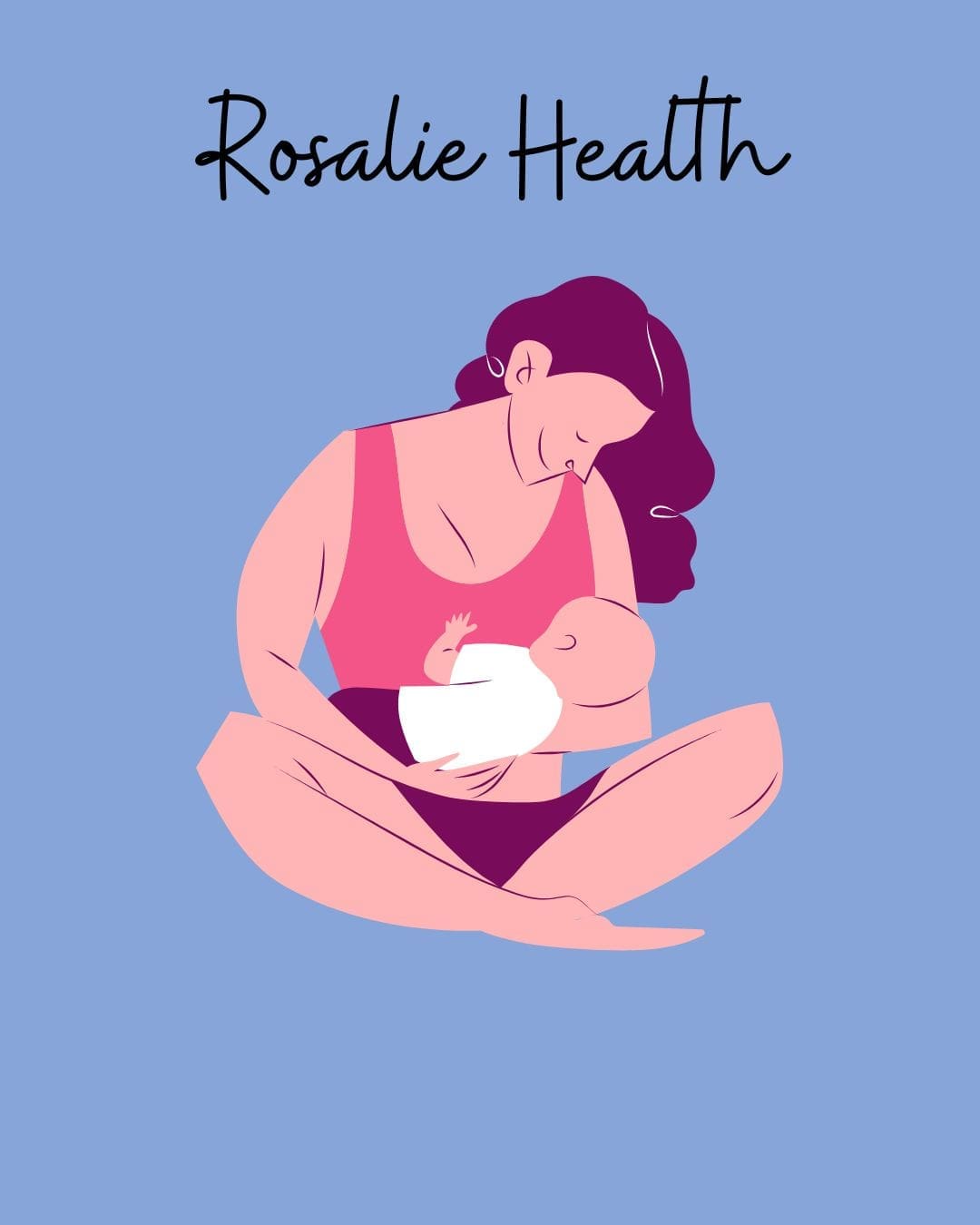
“Liquid gold.” You’ve heard the phrase. But have you ever stopped to ask why breastmilk gets that nickname?
Spoiler: it has nothing to do with color and everything to do with what it actually does. Let’s break it down.
A Living Fluid That Thinks for Itself
Breastmilk is not a static substance. It’s a dynamic, living fluid that adapts in real time to your baby’s needs — changing composition based on your baby’s age, time of day, feeding duration, and even their current health status.
Colostrum (early milk) is low in volume but extraordinarily concentrated in immune factors. Mature milk is higher in fat and calories. And if your baby is born prematurely, your milk will automatically contain higher levels of protein and immune components to meet their specific needs.¹ There is no formula that can replicate that kind of biological intelligence.
What’s Actually in There?
Proteins: Breastmilk contains whey and casein in a ratio perfectly designed for infant digestion, along with lactoferrin (a powerful antimicrobial agent), secretory IgA (antibodies that coat and protect the infant gut), and lysozyme (an enzyme that destroys bacterial cell walls).
Fats: Fat provides approximately 50% of breastmilk’s calories and includes DHA and ARA — long-chain fatty acids essential for brain development, visual acuity, and nervous system maturation.²
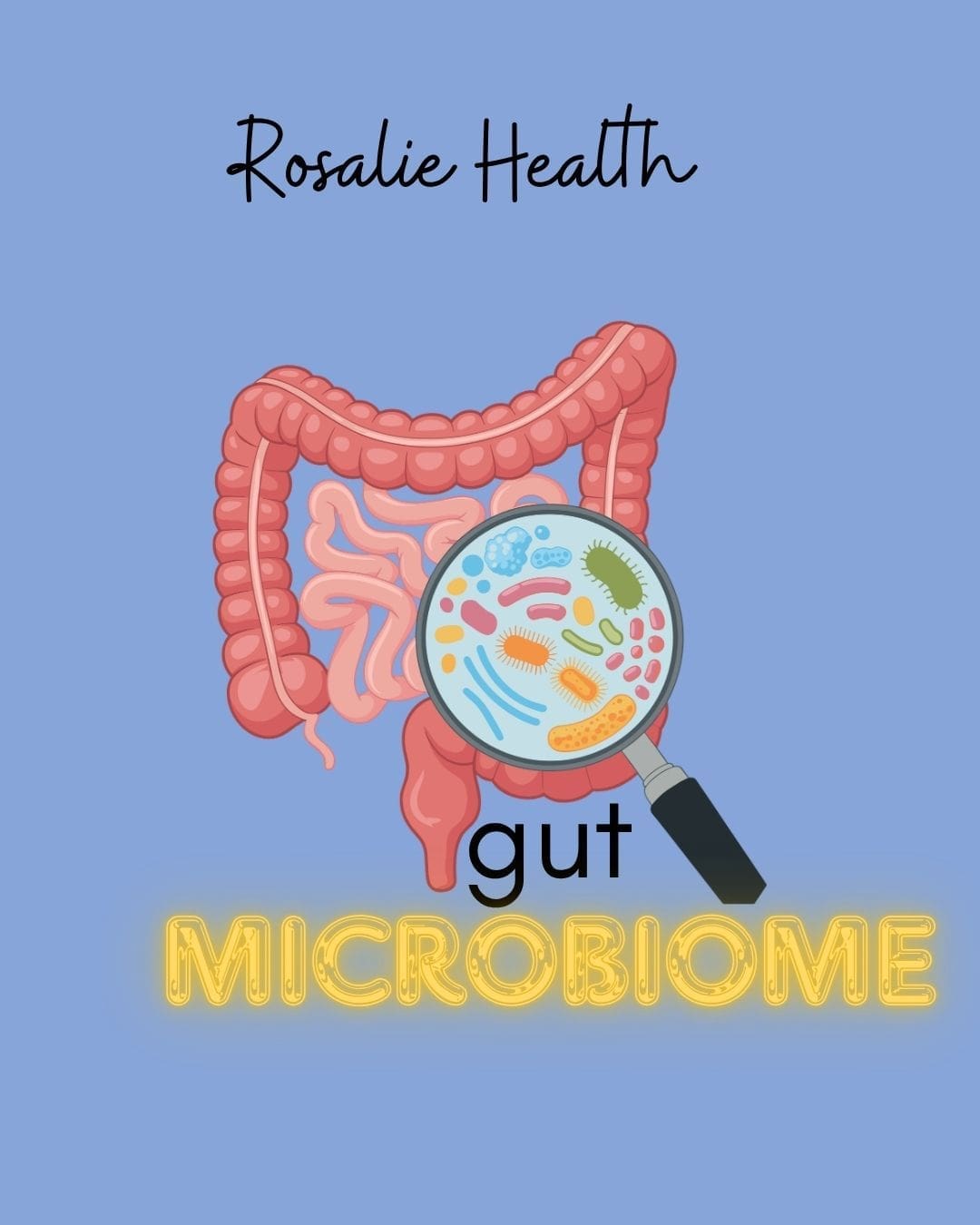
Human Milk Oligosaccharides (HMOs): HMOs are the third most abundant component of breastmilk — complex sugars that babies cannot actually digest. They exist entirely to feed beneficial gut bacteria, seeding the infant microbiome from day one. Research from the UC Davis Human Milk Research Program has shown that HMOs also directly inhibit pathogen attachment to the gut lining.³ Nature is clever.
Live Immune Cells: Breastmilk contains white blood cells that actively fight infection, along with antibodies tailored to the specific pathogens in your environment — meaning if you’re exposed to a bug, your milk begins producing antibodies against it before your baby even shows symptoms.
Benefits for Baby
The evidence is substantial. According to the World Health Organization (WHO) and the American Academy of Pediatrics (AAP), breastfeeding is associated with reduced rates of ear infections, respiratory illness, gastrointestinal infections, SIDS, childhood obesity, and type 2 diabetes.⁴˒⁵
The Academy of Breastfeeding Medicine (ABM) and La Leche League International further note that the microbiome and immune benefits established through early breastfeeding have effects extending well into childhood and adulthood — influencing allergy risk, metabolic health, and cognitive development.
Benefits for Mother (Yes, Really)
Breastfeeding is a two-way street — and the maternal benefits are often underappreciated:
- Faster postpartum uterine recovery, driven by oxytocin release during nursing
- Reduced lifetime risk of breast cancer and ovarian cancer, with risk decreasing incrementally with duration of breastfeeding⁶
- Lower risk of type 2 diabetes and cardiovascular disease
- Reduced risk of postpartum depression in mothers who meet their breastfeeding goals
- Ongoing oxytocin release with each feeding, supporting emotional bonding and promoting maternal calm
A 2017 systematic review in The Lancet found that scaling up breastfeeding to near-universal levels could prevent over 820,000 child deaths annually worldwide — and an estimated 20,000 breast cancer deaths in mothers.⁷
When Breastfeeding Needs Support
Breastfeeding is natural — and it also takes practice, support, and sometimes troubleshooting. The International Board Certified Lactation Consultant (IBCLC) credential represents the gold standard in lactation care. The USLCA and La Leche League International are excellent resources for guidance and community.
When supplementation is needed, donor milk from HMBANA-accredited milk banks — such as the Mothers’ Milk Bank network — provides a safe, pasteurized, human milk option. At Rosalie Health, we’re here for all of it — the beautiful parts and the hard parts.
Book a Breastfeeding Consultation at Rosalie Health → www.RosalieHealth.com
References
1. Ballard O, Morrow AL. Human Milk Composition: Nutrients and Bioactive Factors. Pediatr Clin North Am. 2013;60(1):49-74. https://doi.org/10.1016/j.pcl.2012.10.002
2. Innis SM. Dietary omega 3 fatty acids and the developing brain. Brain Res. 2008;1237:35-43. https://doi.org/10.1016/j.brainres.2008.08.078
3. Bode L. Human milk oligosaccharides: Every baby needs a sugar mama. Glycobiology. 2012;22(9):1147-1162. https://doi.org/10.1093/glycob/cws074
4. World Health Organization. Breastfeeding. https://www.who.int/health-topics/breastfeeding
5. American Academy of Pediatrics. Policy Statement: Breastfeeding and the Use of Human Milk. Pediatrics. 2022;150(1). https://doi.org/10.1542/peds.2022-057988
6. Collaborative Group on Hormonal Factors in Breast Cancer. Breast cancer and breastfeeding. Lancet. 2002;360(9328):187-195.
7. Victora CG, et al. Breastfeeding in the 21st century: epidemiology, mechanisms, and lifelong effect. Lancet. 2016;387(10017):475-490. https://doi.org/10.1016/S0140-6736(15)01024-7
Rosalie Health | www.RosalieHealth.com | 610-427-5772 | West Chester & Ardmore, PA | Virtual visits available