Keywords: cortisol adrenal fatigue, optimal morning cortisol, adrenal health, HPA axis dysfunction
You wake up after eight hours of sleep feeling like you ran a marathon in your dreams. Coffee isn’t a preference — it’s survival. By 3 PM, you’re dragging. By 10 PM, you’re inexplicably wide awake. Sound familiar?
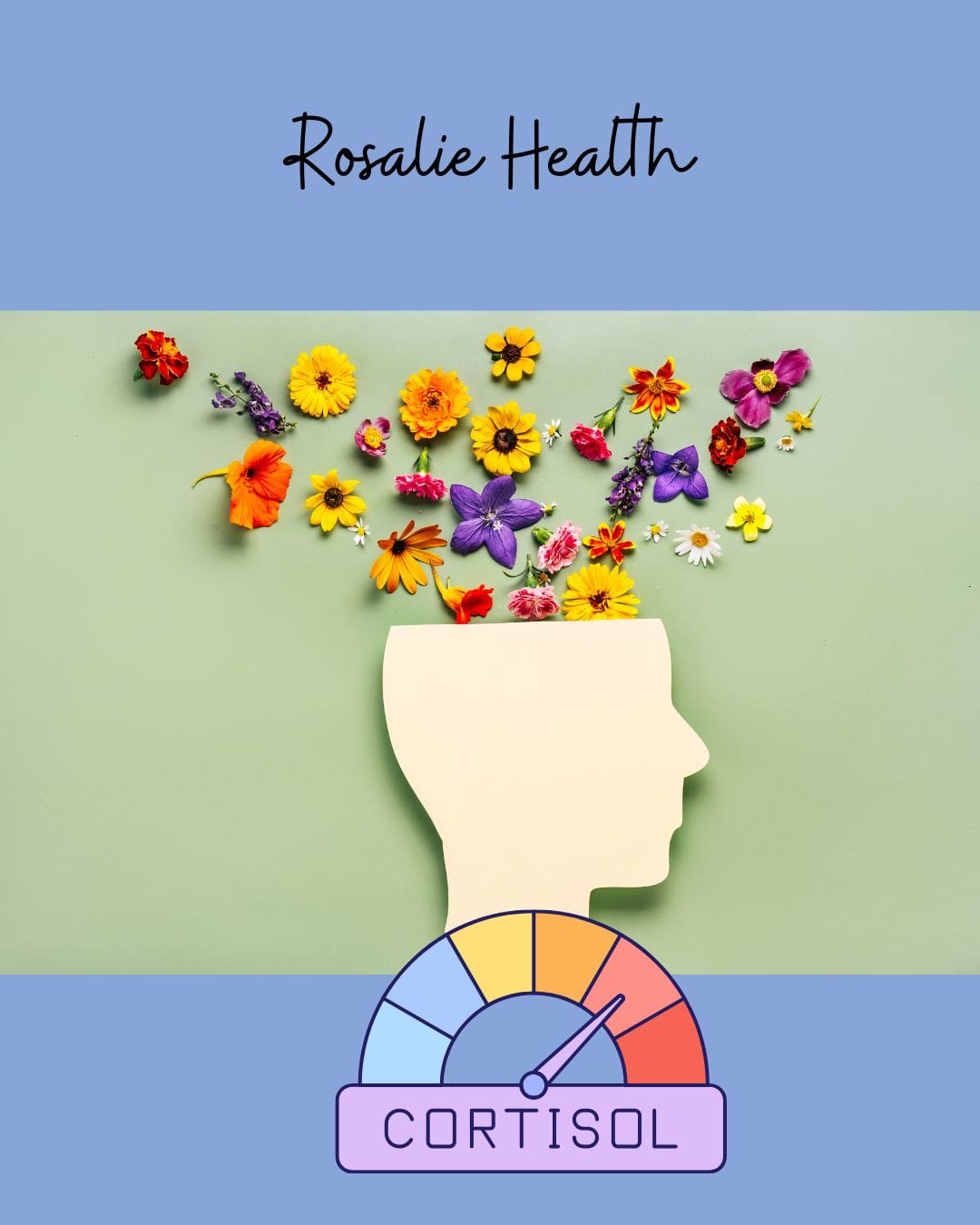
Before you chalk it up to “just being tired,” let’s talk about cortisol — your body’s built-in alarm clock, energy regulator, and stress manager all rolled into one.
What Is Cortisol — and Where Does It Come From?
Cortisol is a steroid hormone produced by the adrenal glands — two walnut-sized glands perched on top of your kidneys. It’s made in the outer layer of each gland, called the adrenal cortex, in response to signals from the brain via the HPA (Hypothalamic-Pituitary-Adrenal) axis.
Think of the HPA axis as a group chat between your brain and your adrenal glands. Your hypothalamus sends a message, your pituitary forwards it, and your adrenals respond by releasing cortisol. Simple enough — until the group chat gets flooded with stress signals 24/7.
Why Cortisol Actually Matters
Cortisol gets a bad reputation because of its association with stress. But here’s the thing: cortisol is essential. According to the Endocrine Society, cortisol plays a critical role in regulating blood sugar, reducing inflammation, managing the sleep-wake cycle, and supporting cardiovascular and metabolic function.¹
In other words, you need cortisol. You just need it in the right amounts, at the right times.
What Should Your 8 AM Cortisol Look Like?
Cortisol naturally follows a daily rhythm called the diurnal cortisol pattern. It peaks in the morning — typically between 6 and 8 AM — to help you wake up, think clearly, and get moving. This morning surge is called the Cortisol Awakening Response (CAR) and is one of the most well-studied markers of HPA axis function.²
On a standard serum (blood) test, a healthy 8 AM cortisol level falls between 10–20 mcg/dL. On a saliva test, optimal morning levels are approximately 13–24 nmol/L.
Low morning cortisol? You may struggle to wake up, feel foggy until noon, and run on fumes all day. High morning cortisol? You might wake up with your heart racing, feel anxious before your feet hit the floor, and have trouble winding down at night. Both patterns deserve attention.
What Is “Adrenal Fatigue” — Really?
You may have heard the term “adrenal fatigue.” While it’s widely used, the more clinically accurate term is HPA axis dysregulation — a state in which the brain-adrenal communication system has become disrupted after prolonged physical or emotional stress.
A 2016 systematic review published in the Journal of Clinical Endocrinology & Metabolism confirmed altered cortisol patterns in individuals experiencing burnout and chronic stress — validating what many patients already know from experience: something is genuinely off.³
Common signs your cortisol rhythm may be dysregulated:
- Fatigue that doesn’t improve with rest
- Salt or sugar cravings
- That “wired but tired” feeling at bedtime
- Afternoon energy crashes (the 2–4 PM slump is real)
- Feeling unusually overwhelmed by everyday stressors
- Getting sick more often than you used to
How We Assess and Support Adrenal Health
At Rosalie Health, we use 4-point salivary cortisol testing to capture your cortisol rhythm across the full day — not just a single snapshot. This gives us a complete picture of how your HPA axis is functioning.
From there, we build a personalized plan that may include targeted nutrients (think vitamin C, B5, magnesium, and adaptogenic herbs like ashwagandha), lifestyle modifications, and — when indicated — bioidentical hormone support.
Because “manage your stress” isn’t a treatment plan. A real one is.
Book a Consultation at Rosalie Health → www.RosalieHealth.com
References
1. Nieman LK. Cushing’s syndrome: update on signs, symptoms and biochemical screening. Eur J Endocrinol. 2015;173(4):M33-M38. https://doi.org/10.1530/EJE-15-0464
2. Pruessner JC, et al. Free cortisol levels after awakening: a reliable biological marker for the assessment of adrenocortical activity. Life Sci. 1997;61(26):2539-2549.
3. Cadegiani FA, Kater CE. Adrenal fatigue does not exist: a systematic review. BMC Endocr Disord. 2016;16(1):48. https://doi.org/10.1186/s12902-016-0128-4
Rosalie Health | www.RosalieHealth.com | 610-427-5772 | West Chester & Ardmore, PA | Virtual visits available