
Meet Your Microbiome — The Trillions of Tiny Tenants Running the Show
Posted In
May 13, 2026
Posted On
Keywords: gut microbiome health, gut health mood, gut microbiome nutrient absorption, leaky gut, gut-brain connection
By Ariella Jolly, DNP, FNP-BC, IBCLC
Here’s a fun fact for your next dinner party: you are home to approximately 38 trillion microorganisms. They live mostly in your gut, they outnumber your human cells, and — whether you’ve paid them much attention or not — they have an enormous say in how you feel every single day.
Welcome to your microbiome. Let’s get acquainted.
What Is the Gut Microbiome?
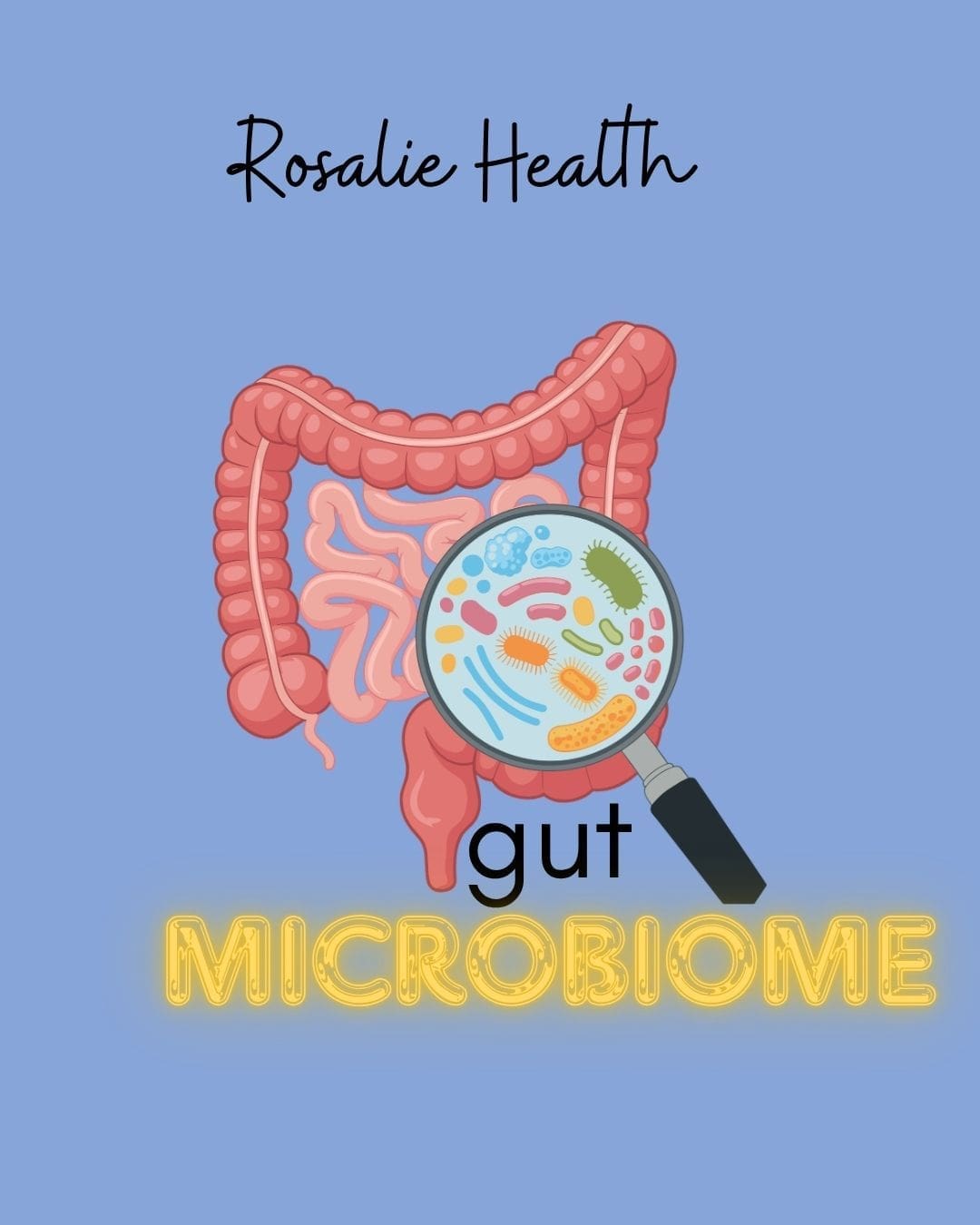
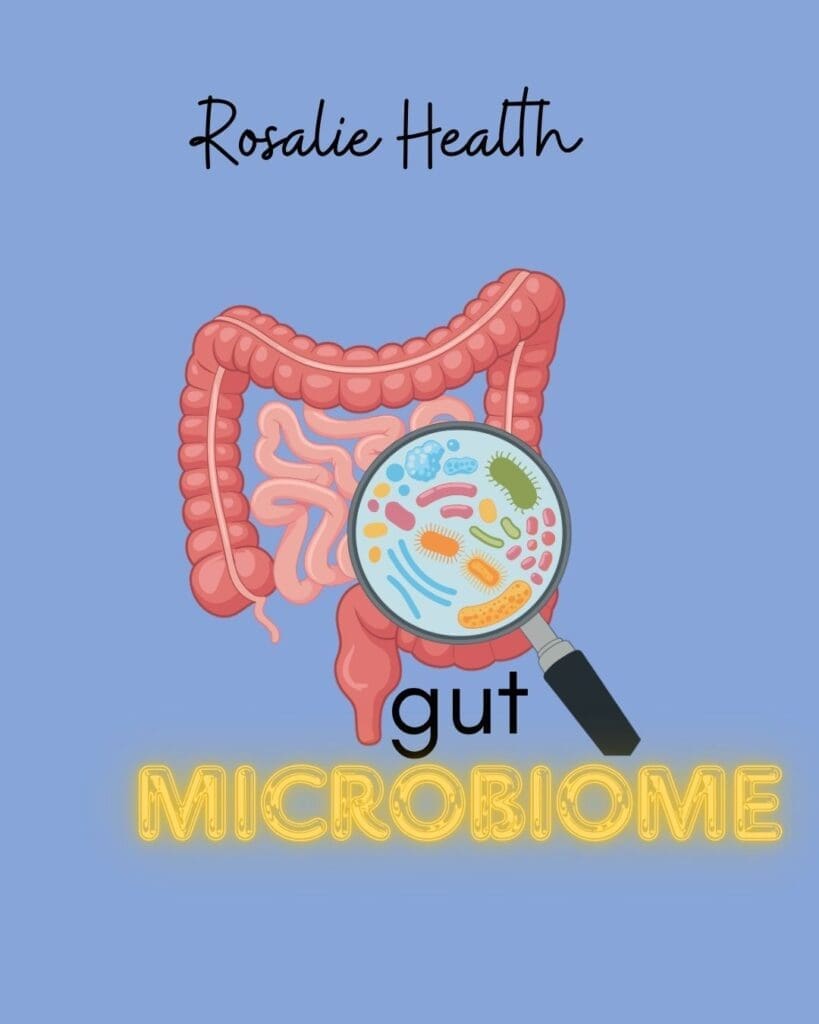
The gut microbiome is the vast, dynamic community of bacteria, fungi, viruses, and other microorganisms that live primarily in your large intestine. A healthy microbiome is characterized by one thing above all else: diversity. The more varied the species, the more resilient and functional the ecosystem.
When that balance is disrupted — a state called dysbiosis — the effects can ripple through almost every system in your body. The Human Microbiome Project, a landmark NIH-funded initiative, confirmed just how central microbial communities are to human health, linking microbiome composition to immune function, metabolic health, neurological wellbeing, and more.¹
Your Gut and Nutrient Absorption
One of your microbiome’s most practical jobs is helping you actually use the food you eat. Beneficial gut bacteria assist in breaking down complex carbohydrates, producing short-chain fatty acids, synthesizing key vitamins (including B12, folate, and vitamin K), and maintaining the integrity of the intestinal lining.²
When the intestinal barrier becomes compromised — often called increased intestinal permeability or “leaky gut” — nutrients pass through less efficiently, and inflammatory particles can enter the bloodstream. The result? Deficiencies in iron, magnesium, zinc, and fat-soluble vitamins, even in people eating a genuinely nutritious diet. If you’ve had unexplained deficiencies despite eating well, your gut is worth a closer look.
Your Gut and Your Mood
Here’s the part that tends to surprise people: approximately 95% of the body’s serotonin — the neurotransmitter most associated with mood, emotional regulation, and wellbeing — is produced in the gut, not the brain.³
Your gut and brain communicate through what researchers call the gut-brain axis: a bidirectional network of nerve signals (via the vagus nerve), immune messengers, and hormonal pathways. Studies published in Nature Microbiology and Gut have found associations between gut dysbiosis and higher rates of anxiety, depression, and mood instability.⁴
This doesn’t mean gut health is the only factor in mental wellbeing — it’s not. But it does mean that if you’re working on your mood, your gut deserves to be part of the conversation.
What Shapes Your Microbiome?
- Diet — a diverse, fiber-rich diet is the single most impactful factor for microbial diversity; ultra-processed foods and sugar have the opposite effect
- Antibiotics and medications — including proton pump inhibitors and NSAIDs, can significantly alter microbial balance. Whereas certain dietary patterns and supplements boost a diversified microbiota
- Chronic stress — which alters gut motility and changes microbial composition through the HPA axis. Alternatively, stress management allows the body to digest foods at a normal rate and also excrete waste in a timely manner
- Sleep quality — poor sleep disrupts the microbiome (and the relationship runs both ways- restful sleep and normal circadian rhythms promotes diversity in the gut)
- Mode of birth and early feeding — vaginal deliveries followed by breastmilk is the ultimate foundation. Cesarean delivery and formula feeding are associated with different early microbiome colonization patterns⁵
How We Approach Gut Health at Rosalie Health
We use the GI-MAP (Gastrointestinal Microbial Assay Plus), a DNA-based comprehensive stool analysis, to assess bacterial balance, parasites, digestive enzyme function, intestinal inflammation markers, and gut lining health. It’s one of the most detailed pictures available of what’s actually going on inside.
From there, we build a personalized protocol — targeting root causes rather than symptom management alone. Because a healthy gut isn’t a trend; it’s a foundation.
Book a Gut Health Consultation at Rosalie Health → www.RosalieHealth.com
References
1. Turnbaugh PJ, et al. The Human Microbiome Project. Nature. 2007;449:804-810. https://doi.org/10.1038/nature06244
2. LeBlanc JG, et al. Bacteria as vitamin suppliers to their host: a gut microbiota perspective. Curr Opin Biotechnol. 2013;24(2):160-168. https://doi.org/10.1016/j.copbio.2012.08.005
3. Yano JM, et al. Indigenous bacteria from the gut microbiota regulate host serotonin biosynthesis. Cell. 2015;161(2):264-276. https://doi.org/10.1016/j.cell.2015.02.047
4. Valles-Colomer M, et al. The neuroactive potential of the human gut microbiota in quality of life and depression. Nat Microbiol. 2019;4:623-632. https://doi.org/10.1038/s41564-018-0337-x
5. Dominguez-Bello MG, et al. Delivery mode shapes the acquisition and structure of the initial microbiota across multiple body habitats in newborns. PNAS. 2010;107(26):11971-11975.
Rosalie Health | www.RosalieHealth.com | 610-427-5772 | West Chester & Ardmore, PA | Virtual visits available