

Insufficient Glandular Tissue — The Breastfeeding Challenge Nobody Talks About
Posted In
May 6, 2026
Posted On
Keywords: insufficient glandular tissue, IGT low milk supply, hypoplastic breasts breastfeeding, medical causes low milk supply

You’ve done everything right. You’re nursing on demand, power pumping at 2 AM, downing lactation cookies like it’s your job, and your supply still isn’t where it needs to be.
First: you are not failing. Second: there may be a very real, very physical reason — and it has a name.
What Is Insufficient Glandular Tissue?
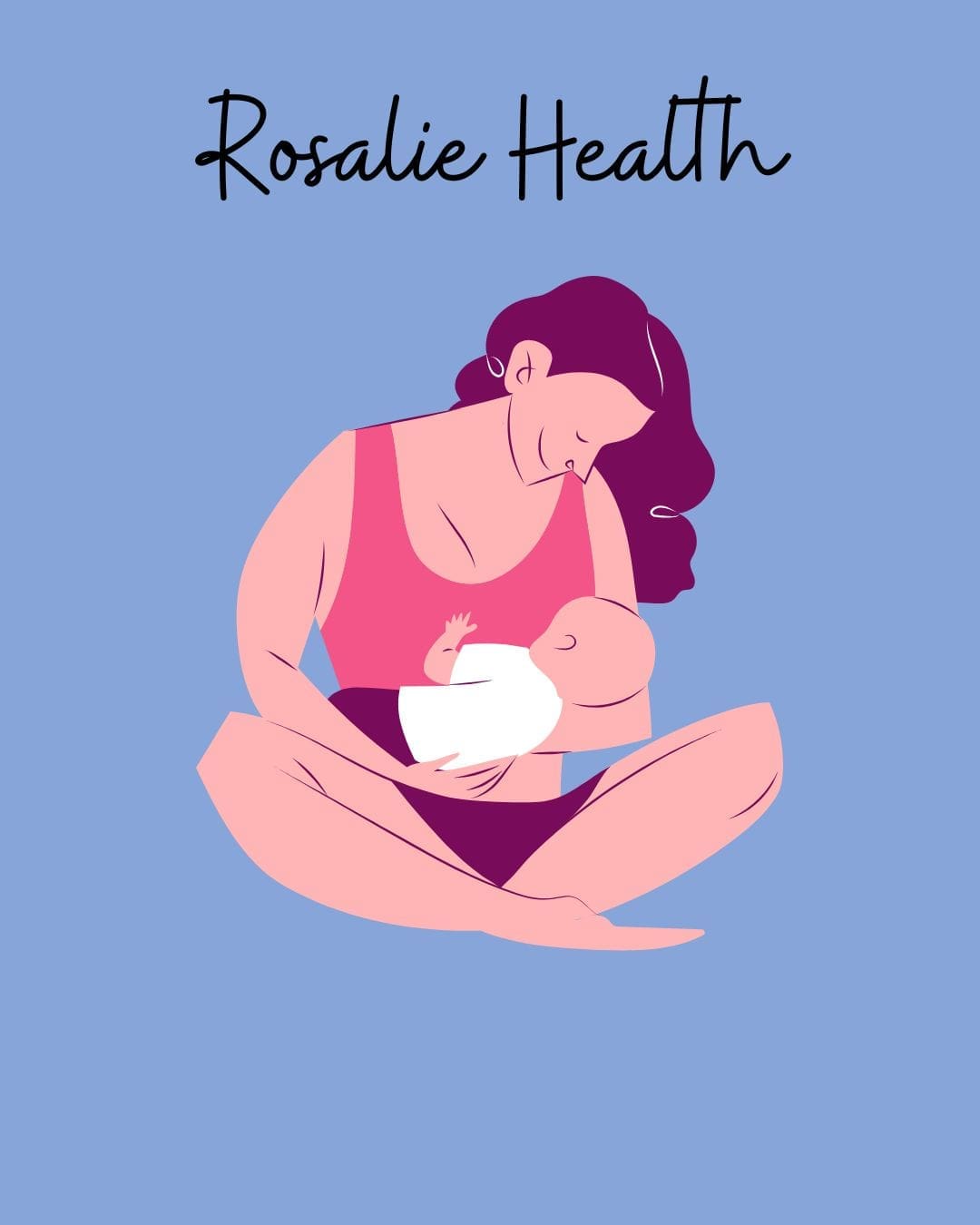
Insufficient Glandular Tissue (IGT) — also called mammary hypoplasia — is a condition in which the breast did not develop enough milk-producing glandular tissue during puberty to sustain a full milk supply.
Think of the breast like a tree. In a breast with IGT, there simply aren’t enough branches — the ducts and lobules that produce and transport milk didn’t develop fully. No amount of stimulation can manufacture branches that weren’t built.
This is a physiological condition, not a personal failure. Recognizing it matters enormously — both for maternal mental health and for making sure babies are fed.
What Causes IGT?
Research is still evolving, but known contributing factors include:
- Hormonal disruptions during puberty, including insufficient estrogen signaling at key developmental windows
- Polycystic Ovarian Syndrome (PCOS), which affects approximately 1 in 10 women¹ and alters estrogen and insulin dynamics
- Insulin resistance, which may impair mammary tissue development
- Thyroid dysfunction, including undiagnosed hypothyroidism during adolescence
- Anatomical markers, such as widely spaced or asymmetrical breasts, tubular breast shape, or minimal breast changes during pregnancy
IBCLCs Diana West and Lisa Marasco documented these associations extensively in The Breastfeeding Mother’s Guide to Making More Milk — still considered a key clinical reference by lactation professionals.²
How Common Is It?
Estimates suggest IGT affects approximately 1–5% of breastfeeding women, though many experts — including those at the United States Lactation Consultant Association (USLCA) — believe it is significantly underdiagnosed due to limited provider awareness.³ More women are navigating this than the numbers suggest.
What Does IGT Mean for Breastfeeding?
Women with IGT often experience low supply from the very beginning — not a gradual decrease, but an inability to establish a full supply at all. Common experiences include minimal breast changes during pregnancy, milk “coming in” feeling very limited, slow infant weight gain despite frequent nursing, and supply that doesn’t respond to conventional interventions.
The World Health Organization (WHO) and La Leche League International both affirm that supplementation — when medically indicated — is compatible with continuing to breastfeed and can be done in ways that honor the nursing relationship.⁴
What Can Help?
- Maximizing existing supply through optimized latch, feeding frequency, and hospital-grade pumping
- Domperidone, used under medical supervision to increase prolactin levels
- Hormonal evaluation to identify and treat underlying contributors like thyroid dysfunction or insulin resistance
- Donor milk from HMBANA-accredited milk banks (such as the Mothers’ Milk Bank network) when supplementation is needed
- Supplemental Nursing Systems (SNS) to allow continued time at the breast even with a partial supply
At Rosalie Health, we approach low milk supply with a comprehensive hormonal and lactation lens — because sometimes the answer isn’t pumping more. Sometimes it’s understanding why.
Book a Lactation Consultation at Rosalie Health → www.RosalieHealth.com
References
1. Bozdag G, et al. The prevalence and phenotypic features of polycystic ovary syndrome. Hum Reprod. 2016;31(12):2841-2855. https://doi.org/10.1093/humrep/dew218
2. West D, Marasco L. The Breastfeeding Mother’s Guide to Making More Milk. McGraw-Hill; 2008.
3. United States Lactation Consultant Association (USLCA). Clinical Competencies for IBCLC Practice. 3rd ed. 2018. https://uslca.org
4. World Health Organization. Infant and young child feeding: model chapter for textbooks. WHO Press; 2009. https://www.who.int/publications/i/item/9789241597494
Rosalie Health | www.RosalieHealth.com | 610-427-5772 | West Chester & Ardmore, PA | Virtual visits available